Best Yarn for Amigurumi (and the Right Hook Size)
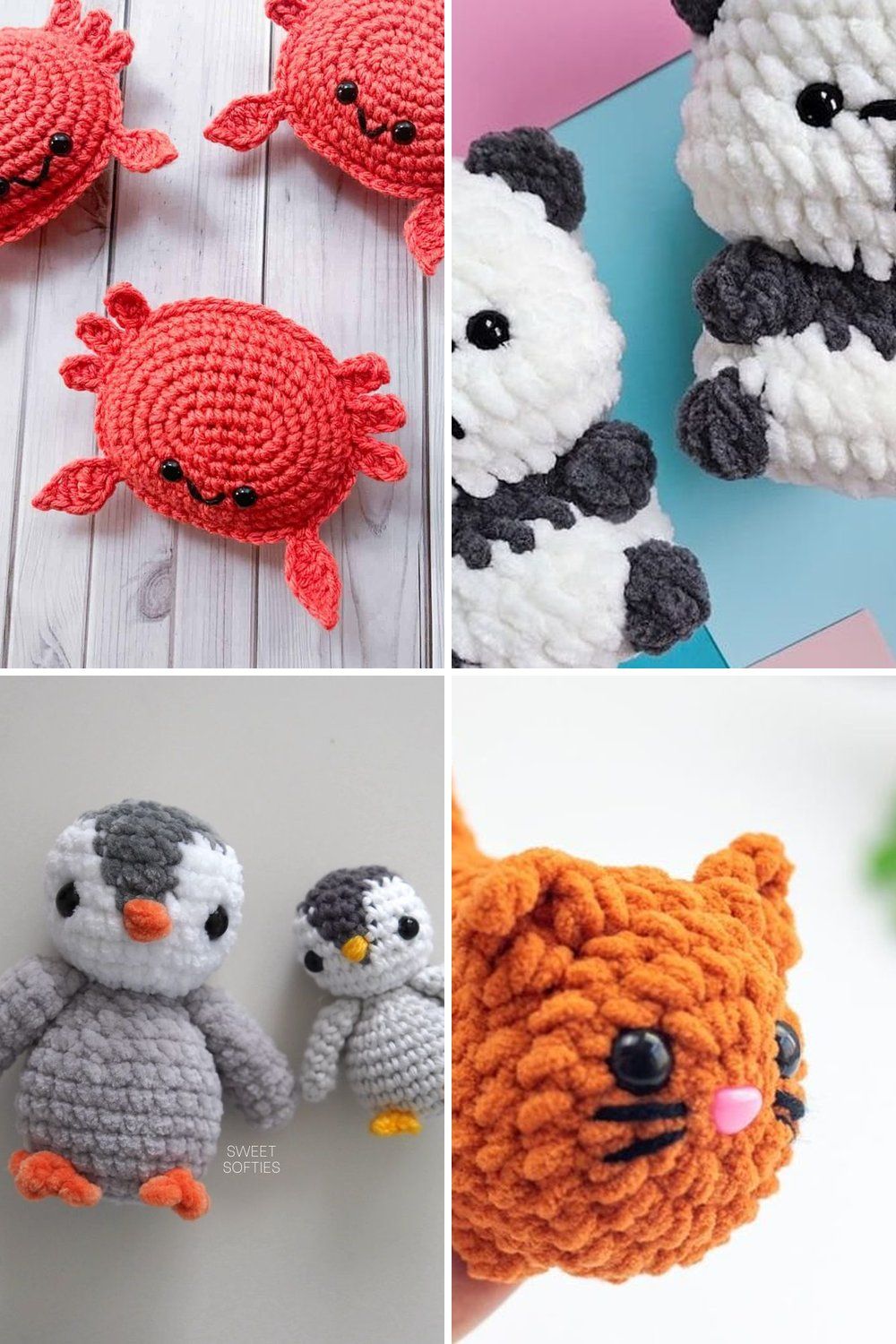
Yarn can make or break an amigurumi. The same pattern can look crisp and neat in one yarn, and lumpy or fuzzy in another. If you have ever finished a toy and wondered why it does not look like the photo, the yarn and hook are usually the reason.
This guide explains the best yarn for amigurumi in plain words. We will compare cotton, acrylic, chenille and blends, talk about yarn weight, and show you how to pick the right hook size. There is a chart you can save, plus real examples from free patterns so you can see what designers actually use.
What You’ll Need
- Cotton yarn for crisp, detailed toys (like Lily Sugar’n Cream or a cotton DK)
- Soft acrylic yarn for cuddly toys (like Red Heart Super Saver or Lion Brand Vanna’s Choice)
- Chenille or velvet yarn for plush toys
- A crochet hook set with small sizes from 2 mm to 5 mm
- Polyester fiberfill stuffing
- Locking stitch markers
What Makes a Yarn Good for Amigurumi?
Amigurumi needs tight, firm fabric that holds its shape and hides the stuffing. So the best yarn for amigurumi has a few things in common:
- Smooth texture. You need to see your stitches clearly. Fuzzy or textured yarns hide stitches and make counting hard.
- Little stretch. Yarns that do not stretch much keep the shape of ears, snouts and noses.
- Strong fiber. Toys get squeezed, chewed and dragged around. The yarn should not split easily or pill fast.
- Good color range. You will want small amounts of many colors for faces and details.
Cotton vs Acrylic vs Chenille
| Yarn type | Best for | Pros | Cons |
|---|---|---|---|
| 100% cotton | Small detailed toys, food, keychains, baby toys | Crisp stitches, holds shape, washable, little fuzz | Less stretchy, can be hard on hands, less soft |
| Cotton blends (cotton + acrylic or bamboo) | All-round amigurumi | Soft but still neat, easier on hands | Can split a little |
| Acrylic | Budget toys, big plushies, beginners | Cheap, soft, huge color range, easy to find | Can get fuzzy and pill over time |
| Chenille / velvet | Extra-cuddly plushies and baby loveys | Very soft and plush, works up fast | Hard to see stitches, can “worm” (loops pull out) |
Cotton is the favorite for many designers who make small, detailed pieces. For example, the free Crochet Carrots pattern by Kristi Tullus uses a fingering weight cotton, and the Tiny Radish by Knitted Story Bears uses DK cotton. Cotton gives those shapes clean, sharp lines.
Acrylic is great when you want something soft and affordable. The free Sushi set from Ami Amour is made in Red Heart Super Saver, a worsted acrylic you can find in almost any craft store.
Chenille makes toys that feel like store-bought plushies. The free Strawberry pattern from DIY Fluffies can be made in sport weight cotton for a 2-inch keychain, or in super bulky chenille for a soft 4-inch strawberry. Same pattern, very different result.
Which Yarn Weight Should You Choose?
Yarn weight is the thickness of the yarn. In the US, the Craft Yarn Council numbers weights from 0 (lace) to 7 (jumbo). For amigurumi, most patterns use these:
- Fingering (#1) or sport (#2): tiny toys, keychains and bag charms. Lots of detail, but slower to work.
- DK / light worsted (#3): a sweet spot for small and medium toys. Neat and not too slow.
- Worsted (#4): the most common weight for beginners. Easy to see, fast, and easy to find.
- Super bulky (#6) chenille: big, squishy plushies that work up fast.
The thicker the yarn, the bigger the toy. If you follow a pattern with a heavier yarn than the designer used, your toy will come out larger. That is fine for most toys, as long as you keep the fabric tight.
The Right Hook Size for Amigurumi
Here is the most important rule: use a smaller hook than the yarn label recommends. Yarn labels suggest hooks for garments and blankets, where you want drape. Amigurumi needs dense fabric, so most makers go down 0.5 mm to 2 mm.
| Yarn weight | Typical label hook | Common amigurumi hook |
|---|---|---|
| Fingering (#1) | 2.25–3.5 mm | 1.75–2.5 mm |
| Sport (#2) | 3.5–4.5 mm | 2.25–3 mm |
| DK / light worsted (#3) | 4.5–5.5 mm | 2.5–3.5 mm |
| Worsted (#4) | 5.5–6.5 mm | 3.5–4.5 mm |
| Super bulky chenille (#6) | 9–15 mm | 5–6 mm |
These are starting points, not rules. Real patterns vary a lot. The Tiny Baby Donut from Sweet Softies uses worsted yarn with a 2.75 mm hook for very tight stitches. The Peas in a Pod pattern from StringyDingDing uses medium (#4) yarn with a 4 mm hook. Always start with the hook in your pattern, then adjust.
How to Test Your Yarn and Hook
Step 1: Make a magic ring and work 4 or 5 rounds of a circle, increasing as you go (6, 12, 18, 24 stitches).
Step 2: Work 3 rounds even, so the circle cups.
Step 3: Stretch the fabric gently between your fingers. Hold it up to the light.
Step 4: If you can see light through big gaps, go down a hook size. If the fabric is so stiff your hands hurt, go up half a size.
Step 5: Stuff the little cup with a bit of fiberfill. If white stuffing peeks through, your stitches are still too loose.
Best Yarn for Baby Toys
For anything a baby will hold or chew, choose a smooth, washable yarn that does not shed. Cotton and cotton blends are a top choice. Soft baby acrylic also works. Avoid mohair, eyelash yarn and loosely spun yarns, since fibers can come loose. Embroider faces instead of using safety eyes for kids under 3.
Common Mistakes (and How to Fix Them)
- Using the hook size on the yarn label. This makes loose fabric with gaps. Go down at least one or two sizes for amigurumi.
- Picking a dark or fuzzy yarn for your first toy. You will not see your stitches. Start with a smooth, light color.
- Mixing yarn weights in one toy. Ears in DK and a head in worsted will look off. Keep weights the same unless the pattern says otherwise.
- Chenille that “worms.” Loops pull out of chenille when stitches are loose. Use a tighter hook and avoid pulling hard on finished pieces.
- Splitty yarn. Some cotton and blends split when you insert the hook. Try a hook with a rounder head, or switch to a tighter-plied yarn.
Tips
- Buy small amounts of many colors. Most toys use only a few yards of each detail color.
- Keep your yarn labels or write down the brand and color. It saves you when you want to make a matching toy.
- If your hands get sore with cotton, try a cotton blend. It is softer to work with but still neat.
- Use the same brand for the whole toy when you can. Weights vary a little between brands.
- Do a test circle every time you try a new yarn. It takes five minutes and can save you hours.
FAQ
Is cotton or acrylic better for amigurumi?
Both are good. Cotton gives crisp, neat stitches and holds its shape, so it is great for small, detailed toys and baby toys. Acrylic is softer, cheaper and easier to find in many colors, so it is great for beginners and cuddly toys. Many makers keep both in their stash.
What is the best yarn weight for beginner amigurumi?
Worsted (#4) is the easiest to start with. It is thick enough to see your stitches clearly, it works up fast, and you can find it in any craft store. Pair it with a 3.5 mm to 4 mm hook. Once you feel confident, try DK or sport weight for smaller toys.
Why does my amigurumi look bigger than the pattern photo?
You are likely using thicker yarn, a bigger hook, or crocheting more loosely than the designer. Check the yarn weight and hook in the pattern first. If they match, try going down half a hook size. Small changes in tension make a big difference on toys.
The right yarn and a small hook are the easiest way to make your amigurumi look just like the picture.